Submission by AK DEEPANKAR
Hack #5: Kiro · AWS Kiro
A
AK DEEPANKAR
23 Apr, 09:37
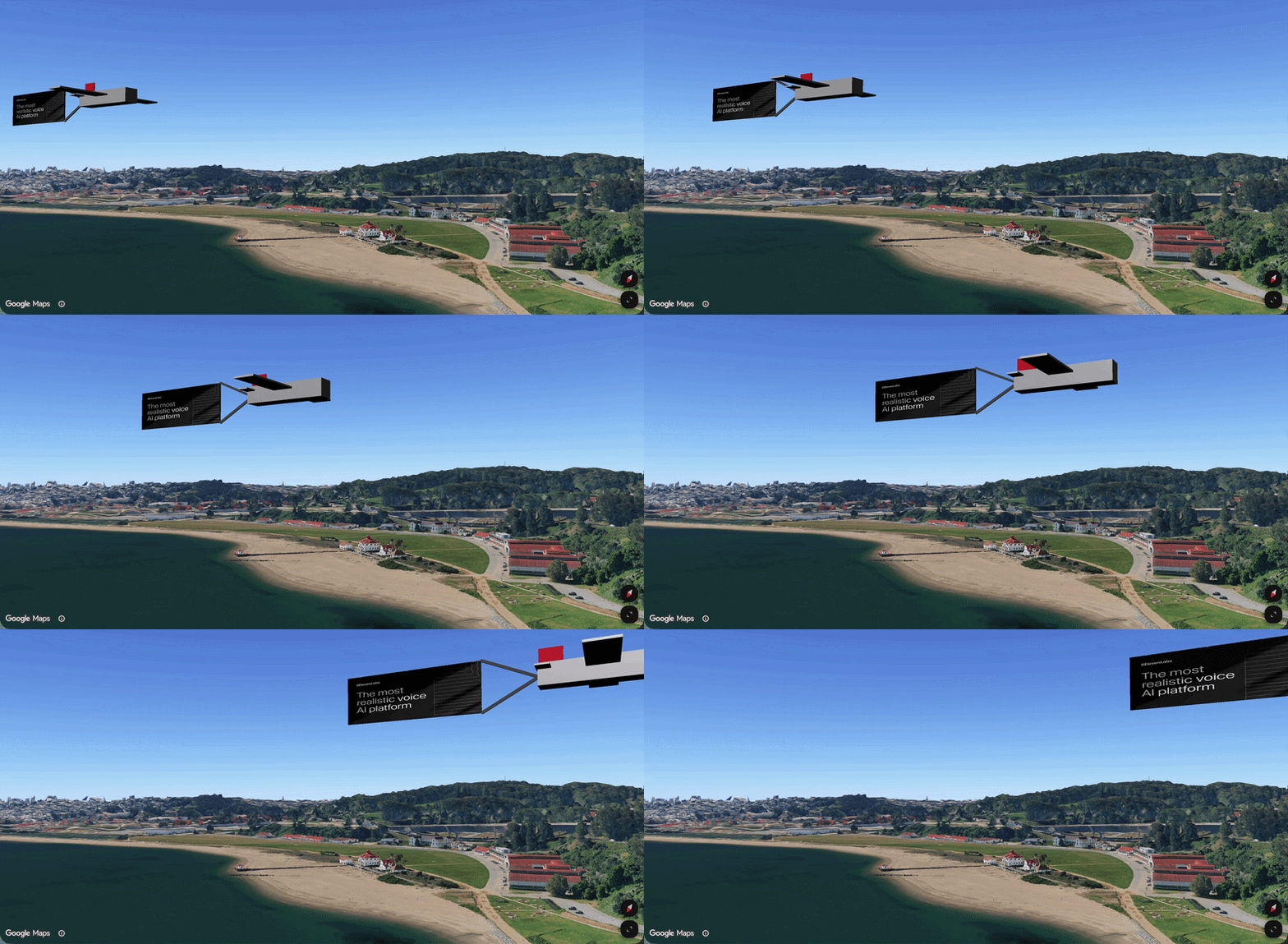
1️⃣ OVERVIEW > MapScape is an interactive 3D mapping platform that transforms traditional navigation into an immersive, voice-driven experience. Instead of static maps, users explore living geographic zones that narrate stories, host AI conversations, and display dynamic 3D billboard advertisements. 2️⃣ CORE IDEA > Traditional maps stop being useful once you reach a place. MapScape extends that moment by making locations interactive as users move through a photorealistic 3D environment 3️⃣ INTERACTIVE ZONES > Zones are mapped areas that come alive when a user enters them. Each zone can automatically trigger voice narration, host real-time AI conversations, and present contextual information about the place. This allows landmarks, campuses, cities, or events to communicate directly with users, creating a more engaging and informative environment. 4️⃣ BILLBOARDS > MapScape introduces a new way for brands to promote themselves through 3D billboards placed in real-world locations. These include panels, airships, and airplane banners that exist inside the 3D map. As users explore, these billboards deliver voice-driven promotional content, interactive brand experiences, and direct links to products or services, blending marketing naturally into the environment. 5️⃣ UX & ADMIN > Users explore locations in 3D through a search-based interface, discovering interactive zones with real-time storytelling and brand content, creating a digital world-like experience rather than a traditional map. At the same time, the admin system allows creators to design zones and promotional billboards, configure voice and AI interactions, and deploy campaigns with real-time previews, enabling seamless creation and management of interactive spatial experiences. 6️⃣ HOW WE USED KIRO > We used Kiro to keep the whole build structured from the start, through a spec-driven approach, where structured documents defined requirements, design, and implementation before any code was written, ensuring a clear and scalable architecture from the start. Steering documents maintained consistency across the codebase, while agent hooks automatically kept documentation in sync with every change, eliminating drift. Iterative “vibe-coding” sessions helped rapidly design and refine UI and interactive features, allowing us to build complex voice-driven interactions efficiently without guesswork.
3 participants0 audience